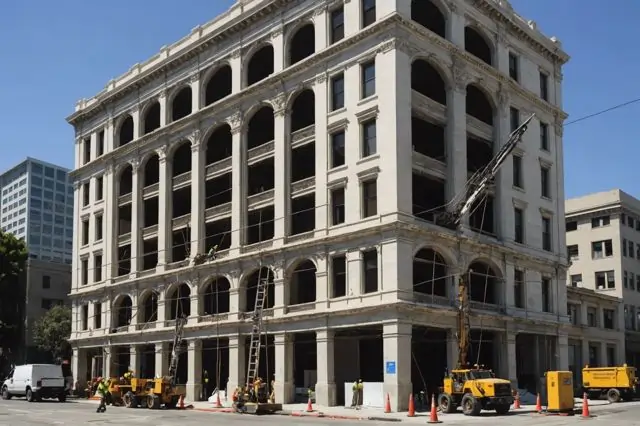


In Los Angeles, the robust foundations of historic buildings, often employing deep foundation systems like concrete and steel, are crucial for their longevity and stability in a seismically active region. These foundational techniques and materials not only support the weight and enhance durability but also have been pivotal in preserving the architectural history of the city.
Introduction to Historic LA Buildings
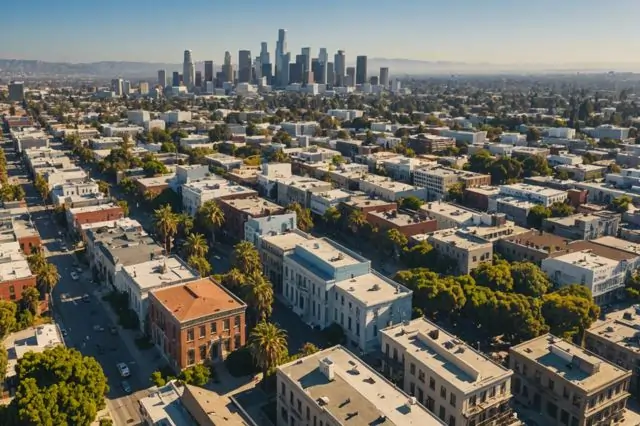
Los Angeles boasts a rich history through its architecture. The city’s historic buildings tell stories of its past and provide a window into its cultural evolution. Preserving these structures is not just about maintaining old buildings; it’s about keeping the city’s history alive for future generations.
- Preservation Impact: A 2020 study by Los Angeles Conservancy revealed that only 6.2% of LA’s parcels are recognized as historic. This leaves plenty of room for new development while still cherishing old structures.
- Benefits of Historic Buildings: Historic Preservation Overlay Zones (HPOZs) help maintain affordable housing and stabilize neighborhoods. These zones are crucial in supporting LA’s diverse communities.
- Economic and Environmental Advantages: Rehabilitating historic buildings has proven to be cost-effective and environmentally beneficial. From 1999 to 2019, over 12,000 new housing units were created in LA by repurposing historic buildings.
- Cultural Programs: Events like film screenings at historic theaters and lectures on notable figures such as Marilyn Monroe highlight the ongoing cultural significance of these historic sites.
- Advocacy and Preservation: Efforts to preserve LA’s historic sites include advocating against the demolition of significant buildings and supporting the city’s legacy businesses.
Preserving LA’s historic buildings not only honors its past but also enriches its present and future, making the city a better place to live, work, and explore.
Impact of Foundations on Building Longevity
- In Los Angeles, the foundations of historic buildings are key to their longevity and preservation as heritage sites. The methods used in their construction have allowed these structures to withstand the test of time.
- Many historic LA buildings utilize deep foundation systems, which are essential for supporting the weight of the buildings and ensuring stability in an area known for seismic activity.
- The materials used in these foundations, such as concrete and steel, are chosen for their durability and ability to resist environmental stressors. This choice has helped preserve the city’s architectural history.
- Techniques like slab-on-grade and mat foundations are common in older LA buildings. These methods spread the load evenly, reducing the risk of damage during earthquakes.
- Preservation efforts often focus on maintaining these foundations, as they are critical to the structural integrity and continued use of historic buildings in Los Angeles. Discover more about Foundation Repair.
Case Studies: Notable Historic Buildings in LA
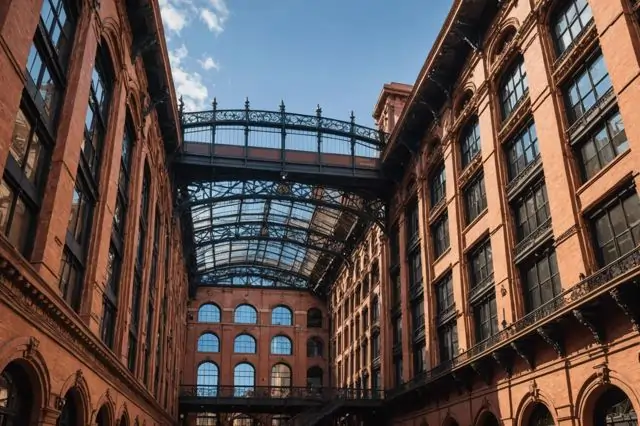
- The Bradbury Building, constructed in 1893, showcases an early use of steel frame construction techniques. Its foundation supports a unique five-story structure famous for its ornate ironwork and expansive skylights, which highlight the building’s architectural innovation during that period.
- The Capitol Records Building, built in 1956, represents a significant advancement in earthquake-resistant design. Its deep concrete caissons anchor it securely into the bedrock beneath, a technique that was pioneering at the time for high-rise structures in seismic zones.
- Both buildings demonstrate the evolution of construction methods in Los Angeles, from the use of traditional brick and mortar to more modern steel and concrete frameworks. This shift not only improved structural integrity but also allowed for more complex architectural designs.
- The foundations of these historic buildings provide insights into the challenges and solutions encountered by engineers and builders as they adapted to the city’s growing needs and the demands of its seismic activity. This knowledge is crucial for both commercial builders and residential homeowners involved in construction today.
Modern Techniques in Historic Building Conservation
In LosanaAmge[nles, preserving historic buildings requires modern methods and technologies that focus on foundation repair and maintenance. Here are some key techniques used:
- Seismic Retrofitting: This strengthens buildings against earthquakes, crucial in LA’s quake-prone area. Learn about Earthquake Retrofitting.
- Foundation Repair Techniques: These include using helical piers and sister foundations to stabilize and strengthen existing structures. Check out Helical Piers and Sister Foundation services.
- Waterproofing and Drainage: Protecting the foundation from water damage is vital. Solutions like French drains and basement waterproofing are essential. Explore Basement Waterproofing and French Drain systems.
These advanced methods ensure the longevity and safety of historic buildings in Los Angeles, blending the old with the new to preserve the city’s architectural heritage.