


Navigating foundation repairs in Los Angeles involves identifying early signs of damage like wall cracks and uneven floors, and engaging professional inspections. Preventive measures such as regular inspections and proper drainage can reduce the risk of costly repairs.
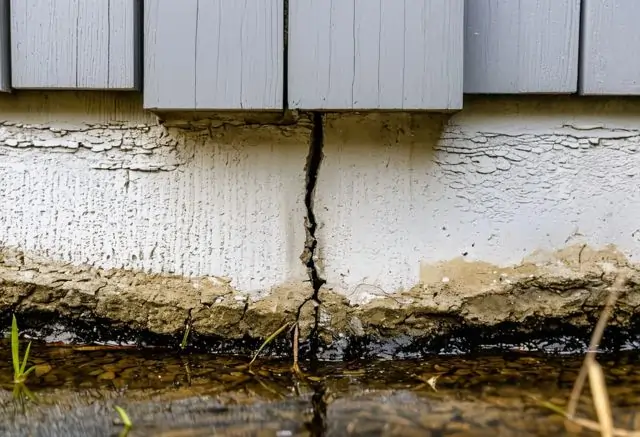
Understanding Foundation Issues in Los Angeles
Understanding foundation issues in Los Angeles is crucial due to the region’s unique soil types, seismic activity, and climate. Here’s what you need to know:
Los Angeles foundations often face challenges from poor soil conditions, erosion, moisture problems, and subpar construction. Identifying early signs can save time and money. Key indicators of foundation problems include:
- Cracks in walls, floors, or ceilings
- Sagging or uneven floors
- Diagonal cracks near windows or doors
- Doors and windows that stick or don’t close properly
- Separation of cabinets or countertops from the wall
- Presence of unusual odors suggesting mold or mildew
- Water pooling around the foundation
In residential properties, look for horizontal cracks, leaning chimneys, and exterior wall damage. Commercial buildings often show large cracks, warped siding, and nails popping from drywall.
Seismic activity in Los Angeles exacerbates foundation issues. Professional inspections by structural engineers are essential for accurate diagnosis and repair. They utilize advanced techniques to assess structural integrity and identify problems early.
Taking preventive measures can significantly reduce the risk of foundation damage:
- Schedule regular foundation inspections.
- Maintain proper drainage around the property.
- Ensure adequate ventilation to reduce moisture buildup.
- Implement strategic landscaping to divert water away from the foundation.
Engaging a structural engineer at the first sign of trouble can safeguard your property’s foundation and prevent costly repairs. Many professional services offer free inspections, providing an accessible first step for homeowners and commercial property managers.

Recognizing Early Signs of Foundation Damage
Identify the early signs of foundation problems to prevent severe damage and costly repairs. Regularly inspect your home for:
- Exterior Wall Cracks: Large zigzag patterns and protruding bricks.
- Interior Wall Cracks: Diagonal cracks from door and window frames.
- Bowing Walls: Cracks on curved walls may point to foundational issues.
- Uneven and Sagging Floors: Floors that are not level might signal shifting foundations.
- Moisture in Basements or Crawl Spaces: Odors or visible wet spots could indicate cracks allowing moisture in.
- Crooked Doors and Separating Door Frames: Shifting foundations can misalign door frames.
- Sticking Doors or Windows: Warped frames from foundation shifts make closing difficult.
- Gaps Between Structures: Gaps between walls, windows, and doors may indicate a foundation shift.
- Drywall Cracks and Popped Nails: Recurring nail pops and drywall cracks point to underlying issues.
- Leaning Chimneys: Tilting chimneys or those with cracks might signal foundation problems.
- Cracked Floor Tiles: Multiple cracked or lifted tiles can indicate foundation movement.
Addressing these signs promptly helps preserve the structure and value of your home. For more detailed insights, you can refer to common signs of foundation damage. Seek a professional evaluation if any of these issues are present to maintain the stability and safety of your residence.
Evaluating the Severity of Foundation Issues
Professionals use a variety of methods and tools to assess the severity of foundation damage. One primary method is a visual inspection. During a visual inspection, experts look for visible signs of damage, such as cracks in walls, uneven floors, and doors or windows that do not open or close properly.
In addition to visual inspections, geological surveys play a crucial role. These surveys help experts understand the soil composition and its ability to support the structure. Key methods include:
- Soil Sampling: Extracting soil samples to analyze its properties.
- Ground Penetrating Radar (GPR): Using radar pulses to image the subsurface, identifying voids and weak areas.
Using these methods, professionals can determine the extent of foundation issues and recommend suitable repair solutions. Ensuring a thorough assessment helps prevent future issues and secures the structural integrity of the property.
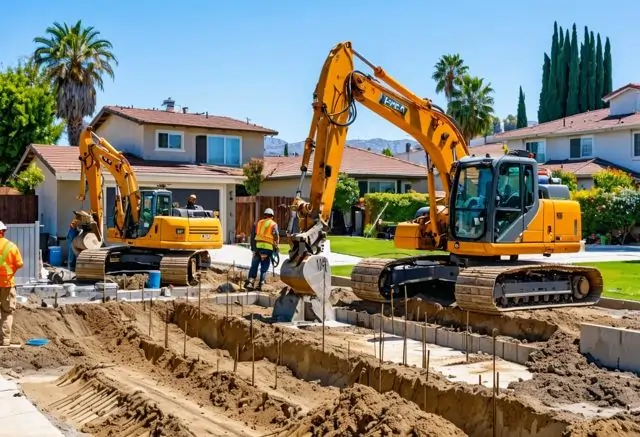
Foundation Repair Solutions for Los Angeles Homes
When dealing with foundation repair for homes in Los Angeles, it’s important to consider the unique geological and climatic conditions of the area. Here are some of the most effective techniques for foundation repair:
Underpinning
- Involves extending the foundation depth or distributing its load across a greater area.
- Particularly useful for properties experiencing settlement or when the original foundation is insufficient.
- Can be performed using concrete, steel, or helical piers.
Slab Jacking
- Also known as slab repair or concrete leveling.
- Involves pumping a grout mixture beneath the slab to lift it back into place.
- Effective for addressing uneven or sinking slabs.
Piering
- Involves driving steel piers into the ground beneath the foundation.
- Supports the foundation by transferring its load to stable soil or bedrock.
- Ideal for homes experiencing significant shifts due to soil conditions.
Choosing the right technique depends on the specific problems your foundation faces. Consulting with a professional can help identify the most suitable method for your home.
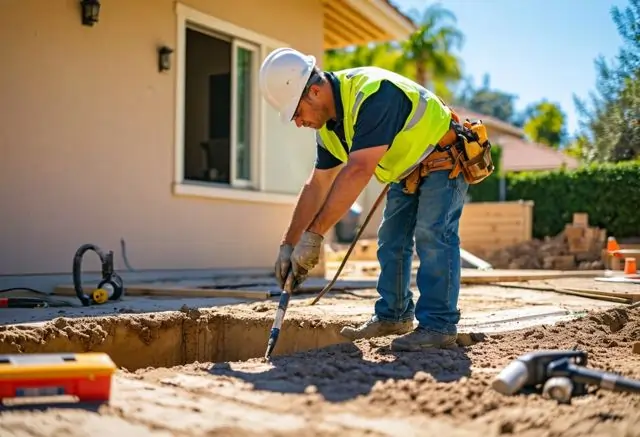
Finding the Right Contractor for Foundation Repairs
When looking for a reliable and experienced contractor for foundation repairs, it’s crucial to do thorough research and vetting. Here are some tips to guide you through this process and ensure you make an informed decision.
Key Questions to Ask
- Experience: How long have you been in the foundation repair business?
- Credentials: Are you licensed and insured to operate in Los Angeles?
- Previous Work: Can you provide references or examples of past projects?
Checking Credentials
- Licensing: Verify that the contractor holds a valid and applicable license. This ensures the contractor meets state and local regulations.
- Insurance: Confirm that the contractor has liability and workers’ compensation insurance. This protects you from potential liabilities during the project.
- Certifications: Look for certifications from professional bodies, which indicate a high level of expertise and ongoing training.
Recognizing Red Flags
- Lack of References: Be cautious if the contractor cannot provide references or past work examples.
- Upfront Payments: Avoid contractors who demand large upfront payments. Reputable companies usually require a small deposit with the balance paid upon project completion.
- Pressure Tactics: Be wary of contractors who pressure you into making quick decisions. A solid company will give you time to consider and make an informed decision.
Additional Tips
- Written Estimates: Always get detailed, written estimates from multiple contractors to compare scope and pricing.
- Local Experience: Choose contractors with experience specific to Los Angeles, as they will be more familiar with local conditions and regulations.
- Contract Details: Ensure the contract covers all aspects of the work, including timelines, costs, and warranties.
When you follow these tips, you can find a trustworthy contractor to handle your foundation repairs effectively. For more information on foundation repairs and services, visit Foundation Builders for professional assistance. Additionally, you can schedule a free foundation inspection to start the process.