


In Los Angeles, foundation replacement in 2023 involves understanding various foundation types and complying with local building regulations, including obtaining necessary permits and soil evaluations. Efficient project execution requires thorough site preparation, regular inspections during construction, and adhering to local codes to ensure safety and legality.
Understanding Foundation Replacement Options in Los Angeles
In this article, we simplify the official document that is available on Los Angeles County website.
When considering foundation replacement in Los Angeles, it’s vital to understand the variety of options and the specific regulations that apply. Here are key factors to consider:
- Type of Foundations: Different buildings require different types of foundations depending on the soil conditions and building requirements. Common types include slab-on-grade, crawlspace, and basement foundations.
- Regulations and Permits: Every foundation replacement project in Los Angeles must comply with local building codes and regulations. This includes obtaining the necessary permits before starting any work.
- Soil Conditions: The type of soil on your property can significantly affect the choice of foundation. Soil tests may be needed to determine the best foundation type for your building.
- Building Requirements: The structure of your building will also dictate the type of foundation needed. For instance, heavier buildings may require more robust foundations.
- Inspections: Throughout the construction process, several inspections will be required to ensure the foundation complies with all regulations and is safe for use.
Understanding these aspects will help you make informed decisions about your foundation replacement project in Los Angeles.
Pre-Construction Planning and Permits
Pre-construction planning is vital for a successful foundation replacement project in Los Angeles. Here’s what you need to know:
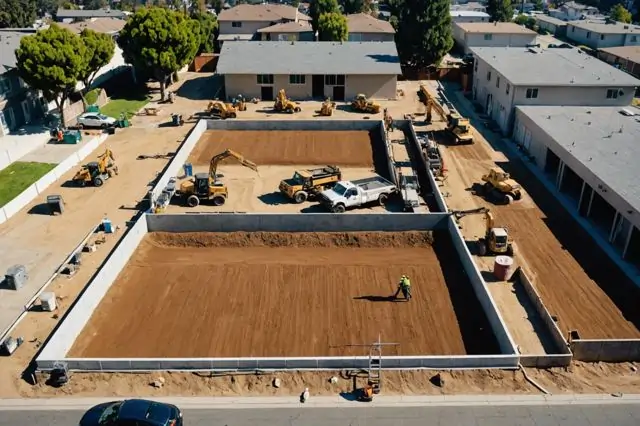
- Site Preparation: Before any construction begins, the site must be thoroughly prepared. This includes fencing the area, controlling sediment, and ensuring all materials are stored safely and securely within the property limits.
- Permits: Securing the necessary building permits is crucial. Each structure or project element like demolition, electrical, or plumbing requires its own permit.
- Utility Management:
- Call Dig Alert (811 or 800-422-4133) to identify underground utilities.
- Plan for any necessary gas, water, electrical, and sewer connections.
- Pre-Construction Meeting: A mandatory meeting with the inspector is required before the start of construction. This ensures all parties are clear on the project details and requirements.
- Building Codes and Regulations: Ensure all plans comply with local building codes and regulations. Any discrepancies found can lead to delays, so it’s important to address these early.
- Inspection and Approval: Regular inspections are scheduled to ensure compliance with approved plans. Construction should align with the inspection timelines to avoid delays and additional costs.
By adhering to these steps, you can help ensure a smooth and efficient foundation replacement process.
The Inspection Process Explained
Understanding the foundation replacement inspection process in Los Angeles involves several key steps that homeowners and contractors should be aware of:
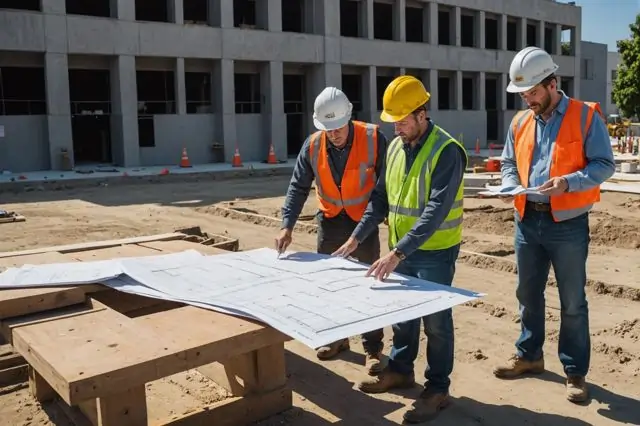
- Pre-Construction Meeting: Before any work begins, a mandatory meeting with the County Building Inspector is required. This is to review the approved plans and site conditions. It ensures that everything is set to proceed according to the local regulations.
- Scheduling Inspections: Inspections are scheduled through the EPIC LA system or by calling the local office. It’s important to choose dates when the construction stages needing inspection are complete. If work isn’t ready, reschedule at least 24 hours in advance.
- Conducting Inspections: There are multiple inspections throughout the project:
- First Inspection: Focuses on underground utilities and ensuring that everything matches the approved plans.
- Second Inspection: Checks the foundation and slab, including the depth and quality of footings and the vapor barrier.
- Third Inspection: Involves the frame and rough installations of electrical, mechanical, and plumbing systems.
- Fourth Inspection: Examines the installation of drywall, shower pans, and exterior lath.
- Final Inspection: Confirms everything is completed per code, all systems are functional, and the site is safe.
- Preparing for Inspections: Ensure the site is safe and accessible. Have all necessary documents, like permit cards and approved plans, available. Ensure no animals or minors are in the inspection areas.
- Common Failures: Avoid common pitfalls such as incomplete work or incorrect sequence of construction, as these can lead to failed inspections and additional fees.
- Final Approval: After all inspections are successfully passed, a Certificate of Occupancy is issued, marking the completion of the project.
Following these steps helps ensure a smooth inspection process and successful foundation replacement in Los Angeles.
Common Challenges and Solutions
Foundation replacement projects in Los Angeles can encounter various challenges, but understanding these and preparing solutions can streamline the process:
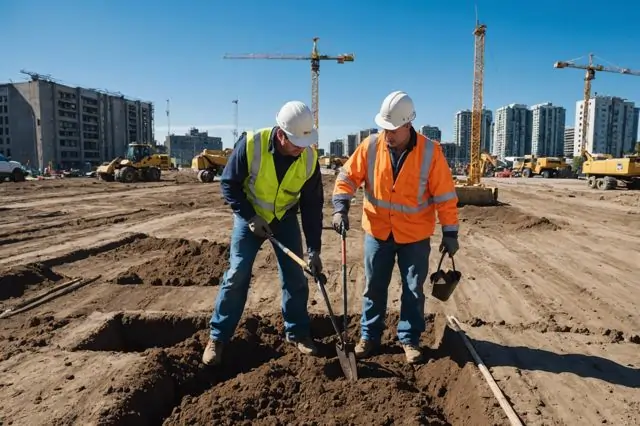
- Unexpected Site Conditions: Before construction, verify the site conditions. This includes checking soil stability and existing utilities to prevent surprises. Use services like Dig Alert to locate underground utilities and avoid damage.
- Regulatory Changes: Stay updated with Los Angeles County Building and Safety Division regulations. Ensure all plans are approved and permits are obtained before starting work. Regularly check for updates during the project.
- Pre-Construction Requirements:
- Mandatory Pre-Construction Meetings must be held to review all conditions and compliance.
- Ensure all demolition and grading permits are secured.
- Check for specific requirements like backwater valve installations to comply with plumbing codes.
- Inspection Readiness: Schedule inspections only when all related construction stages are complete. Keep a checklist of inspection requirements to avoid failed inspections, which can lead to delays and additional costs.
- Material Storage and Handling: Properly plan the delivery and storage of materials. Ensure materials are protected from theft and weather conditions. This includes securing a designated staging area on site.
By addressing these challenges with thorough preparation and proactive planning, foundation replacement projects can proceed more smoothly, minimizing delays and additional costs.
Final Steps and Additional Resources
Completing your foundation replacement project involves several key steps:
- Post-Inspection Procedures: After construction, schedule a final inspection to ensure all work complies with local building codes.
- Certificate of Occupancy: Once your project passes the final inspection, you’ll need to obtain a Certificate of Occupancy. This document is crucial as it officially allows you to use the newly constructed space.
For further reading and support:
- HCD Accessory Dwelling Unit Handbook: Comprehensive guidelines on dwelling units can be found here.
- LA County Planning ADU Website: Offers detailed information about planning and zoning requirements at LA County Planning.
- EPIC LA Guide: Navigate permits and inspections through EPIC LA.
- Los Angeles County Public Works – Building and Safety: Access resources and publications here.
These resources provide extensive information and guidance to support your foundation replacement project in Los Angeles.