


In Los Angeles, foundations often require replacement due to factors like earthquake damage, natural wear and tear, and soil conditions. Replacement techniques, including base isolation and using steel-reinforced materials, help in enhancing building stability and safety against seismic activities.
Introduction to Foundation Replacement in Los Angeles
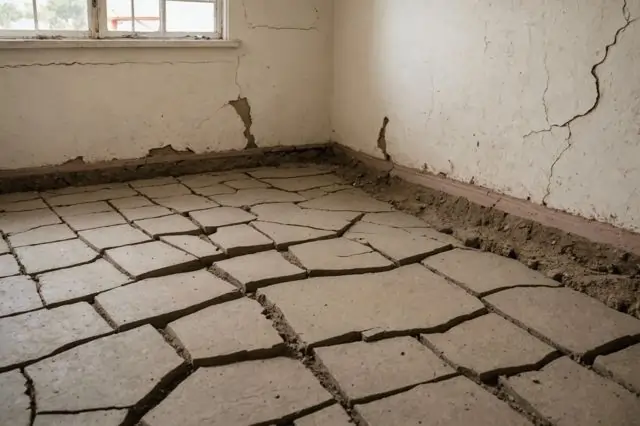
Los Angeles homeowners must understand the importance of maintaining their foundation. Several factors can damage foundations, including water, soil movement, and poor construction. Recognizing the signs of foundation issues early can save a lot of trouble and money.
Common Causes of Foundation Problems:
- Insufficient drainage
- Plumbing issues
- Poor soil stabilization
- Natural disasters
- High clay content in soil
Signs to Watch For:
- Visible cracks in the foundation
- Uneven or sinking floors
- Doors or windows that don’t close properly
Effective Repair Methods:
- Slab Jacking: Lifts the concrete to even out the foundation. It’s cost-effective and creates less mess.
- Piering: Uses steel or concrete piers to stabilize the foundation deeply underground.
- Masonry Patching and Sealant: Seals minor cracks and prevents water ingress.
- Underpinning: Strengthens the foundation by extending its depth or breadth.
For severe issues, consult a structural engineer to assess the situation properly. Delaying repairs can lead to more severe problems like plumbing malfunctions, pest infestations, and structural damage. Always choose a repair method based on the severity of the damage, your budget, and the advice of experts.
Understanding Los Angeles’ Geological Challenges
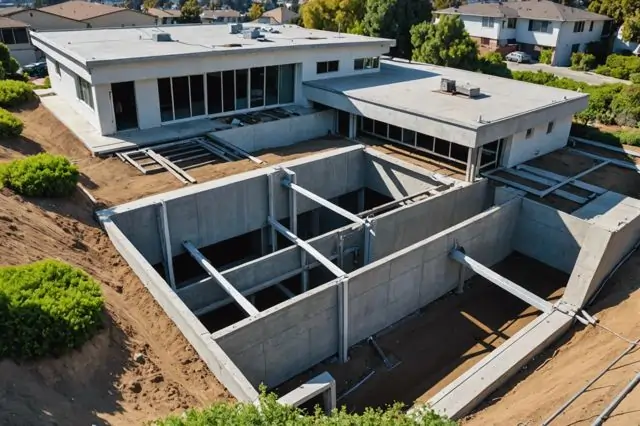
- Los Angeles faces significant geological challenges, primarily due to its high seismic activity. This makes earthquake safety a top priority for building foundations in the area.
- The city has initiated a major seismic retrofit campaign, targeting over 13,000 buildings that are vulnerable during earthquakes. These include structures with weak first floors and older concrete-frame buildings.
- To date, over 8,000 buildings have been retrofitted at a cost of $1.3 billion. Despite this progress, many buildings still need upgrades to meet safety standards, as required by Los Angeles’ soft-story retrofit requirements.
- Earthquake retrofits are crucial for both residential and commercial properties. They help buildings withstand earthquakes and prevent severe damage or collapse. Common retrofit techniques include foundation bolting and cripple wall bracing.
- Buildings most at risk are those with large ground floor openings, wood-framed structures, and constructions predating 1978. Retrofitting these buildings is not only a legal requirement but also a safety imperative.
- The cost of retrofitting varies depending on the building’s damage, size, and the materials used. Fortunately, programs like the California Earthquake Retrofit Program help offset some of these costs.
- While retrofitting can be expensive and time-consuming, it is essential for protecting lives and maintaining the integrity of buildings in earthquake-prone areas.
Reasons for Foundation Replacement in Los Angeles
- In Los Angeles, foundations often need replacement due to earthquake damage. Techniques like tying the foundation to the building help it move as one unit during tremors. Another method, base isolation, allows the foundation to move independently, reducing damage to the structure above.
- Earthquake-resistant construction also involves using materials that can withstand shaking. Steel-reinforced concrete and structural steel are preferred because they bend without breaking, unlike brick or concrete which are less ductile and more vulnerable.
- Natural wear and tear on foundations is another major factor. Foundation cracks commonly occur from the natural expansion and contraction of concrete. Managing water drainage and soil conditions around the home can prevent these issues.
- Various foundation types, from slab to pier and beam, have different susceptibilities to damage. Factors like soil movement, excessive weight, and environmental conditions can lead to foundation problems.
- Regular monitoring and maintenance are crucial. Homeowners should consult professionals if they notice significant cracks or other signs of foundation issues to maintain structural integrity.
Benefits of Replacing a Foundation
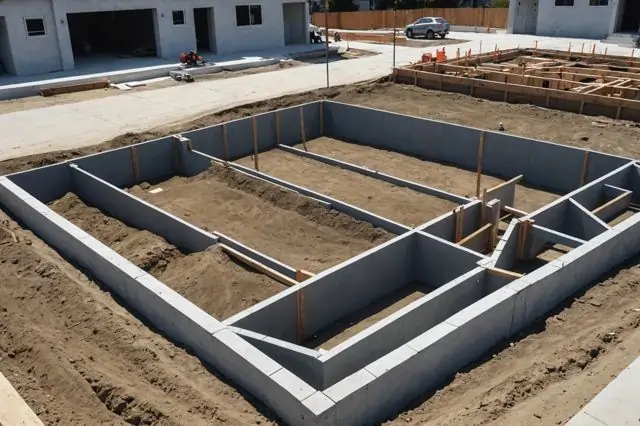
Replacing a foundation in Los Angeles offers several benefits that enhance both the safety and value of a property. Here are the key advantages:
- Increased Safety: A new foundation provides better stability and strength. This is crucial in areas like Los Angeles where seismic activity is a concern. It ensures that the building can withstand earthquakes more effectively.
- Boost in Property Value: Homes with new foundations are often valued higher because they are seen as more secure and less likely to encounter structural issues. This can be a significant advantage when selling your home.
- Compliance with Building Codes: Modern building codes are strict, requiring structures to meet high safety standards. By replacing an old foundation, your property will comply with these current regulations, which can prevent legal issues and fines.
- Long-Term Savings: Although the initial cost might be high, replacing a foundation can lead to significant long-term savings by preventing more severe structural problems that could be much more costly to repair.
For more details on how we can help with foundation replacement, visit our Foundation Replacement service page.